Pakistan Troops in Saudi Arabia: Army Confirms Deployment as Houthis Threaten Jeddah
Pakistan's army said for the first time on Sunday that its soldiers are deployed inside Saudi Arabia, a day after a new defence alliance with Riyadh and Ankara met in Islamabad. It won't say how many, where, or for how long.
Add Zurnt as a preferred source on Google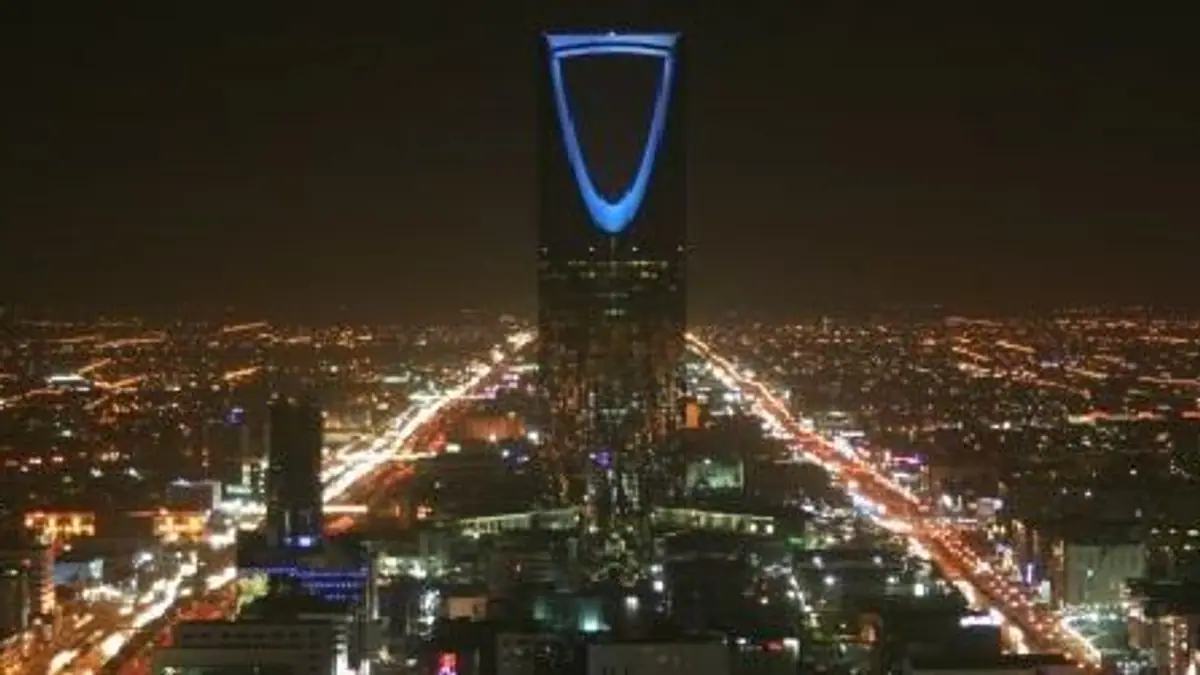
- Pakistan's military publicly confirmed on Sunday, Nov. 29, that it has sent army troops to Saudi Arabia, its first public word on the deployments, according to Reuters.
- The soldiers left on Saturday, a day after Pakistan, Saudi Arabia and Turkey met in Islamabad under their new Mecca Alliance for Defence.
- The army gave no troop number. Reuters reported in October, citing a Pakistani official, that 30,000 to 40,000 Pakistani soldiers were already helping defend the kingdom.
- On the same day, Houthi spokesman Yahya Saree threatened Jeddah and every Saudi port on the Red Sea, The National reported.
Pakistan troops in Saudi Arabia are now official. The nuclear-armed country's army said on Sunday that its soldiers are deployed inside the kingdom, as Yemen's Houthi rebels keep firing at Saudi cities, refineries and ports.
The statement from Inter-Services Public Relations, the military's media wing, was the first time the Pakistani military has commented publicly on the deployments, Reuters reported. It came a day after a send-off for the troops and two days after a defence summit with Riyadh and Ankara in Islamabad.
The deployment "reflects Pakistan's unwavering commitment to the security, sovereignty and territorial integrity" of Saudi Arabia, the army said, according to Arab News.
What the army said, and what it left out
The troops "will discharge their assigned responsibilities within Saudi territory," the ISPR statement said, and will help strengthen the kingdom's defences "amid emerging security concerns." It also cited the protection of Islam's two holiest sites in Mecca and Medina.
That is nearly all it said. The military did not give the number of soldiers, where in Saudi Arabia they will be stationed, what their jobs are, how long they will stay, or which threats they are meant to stop, Arab News and The National reported.
The silence on numbers is the biggest gap. In October, Reuters reported, citing a Pakistani official, that Pakistan had already deployed 30,000 to 40,000 soldiers to help Saudi Arabia defend its land borders and stop drone and missile attacks. The army has never confirmed that figure.
Earlier, in May, Reuters reported that Pakistan had sent "thousands of troops, a squadron of jets and other military equipment" to the kingdom during the U.S.-Israeli war with Iran. Arab News said Pakistani fighter jets and support aircraft arrived in April, and that Saudi Arabia's defence ministry confirmed their arrival.
A send-off with the Saudi ambassador
Defence Minister Khawaja Muhammad Asif was chief guest at Saturday's departure ceremony, joined by Saudi Ambassador Rajeh Albugamy and senior Pakistani officers, Arab News and The National reported.
The day before, on Friday, Nov. 27, top civilian and military leaders from Pakistan, Saudi Arabia and Turkey held the second meeting of the Mecca Alliance for Defence's strategic political and defence committee in Islamabad, according to Reuters. The members restated their support for Riyadh and pledged to step up efforts to help the kingdom defend itself, Arab News reported.
The National reported that an earlier meeting in Riyadh in October agreed to put collective defence pledges into practice, including the rapid deployment of forces and equipment to Saudi Arabia.
Pakistan has drawn one hard line. It has promised to defend Saudi territory but has ruled out attacking the Houthis inside Yemen, Arab News reported. Islamabad is also working on diplomacy to get Washington and Tehran back to talks.
Why Riyadh wants more soldiers now
The kingdom is under fire. Yemen's civil war flared again in July, and the Iran-aligned Houthis have since hit Saudi airports, energy plants and buildings, The National reported. Earlier attacks briefly disrupted some Saudi Aramco operations and cancelled most international flights into Riyadh.
In the past week alone, a Houthi drone hit a tower in Riyadh's King Abdullah Financial District and injured 11 people, including two Indians, as Zurnt reported on the Riyadh financial district attack. Days later, a projectile struck Aramco's Jazan refinery and killed a worker from Nepal.
On the ground in Yemen, the rebels have pushed toward Aden and taken the coast along the Bab al-Mandeb strait, where government forces pulled back earlier this month.
Sunday brought more of the same. The Saudi military said it was responding to Houthi attacks on civilians and civilian infrastructure, and the Saudi-led coalition told civilians to leave Yemen's Ras Isa port, The National reported. The Houthi channel Al Masirah reported a Saudi strike on Ras Isa.
Houthi spokesman Yahya Saree then threatened Jeddah port and all Saudi Red Sea ports and told ships to get out, according to The National. Saudi Civil Defence issued alerts for Al Ahsa and Abqaiq, the oil hub in the Eastern Province, before saying the danger had passed.
Pakistan is not alone
Saudi Arabia is collecting foreign troops. Egypt's Foreign Minister Badr Abdelatty has confirmed Egyptian forces are in the kingdom "at the request of our brothers and sisters in Saudi Arabia," with a mainly defensive mission to guard sensitive sites, The National reported. Syria signed a defence deal with Riyadh this month covering training and expertise.
The pacts behind the troops
The deployment rests on two agreements.
| Agreement | Signed | Members | Core promise |
|---|---|---|---|
| Strategic Mutual Defence Agreement | Sept. 17, 2025, Riyadh | Pakistan, Saudi Arabia | Aggression against one is aggression against both |
| Mecca Joint Defence Agreement | August 2026 | Pakistan, Saudi Arabia, Turkey | An armed attack on any member is an attack on all |
Prime Minister Shehbaz Sharif and Crown Prince Mohammed bin Salman signed the 2025 pact at Riyadh's Yamama Palace, Dawn and Al Jazeera reported. Soon after, Asif said Pakistan's nuclear capabilities "will be made available" to Saudi Arabia under the deal, according to the Arms Control Association, which called it the first extended nuclear deterrence pledge by a nuclear state outside the Non-Proliferation Treaty.
The three-nation Mecca pact followed in August, after the fighting between the Houthis and Saudi-backed forces escalated, Reuters reported.
What happens next
The open question is whether Pakistan's line holds. If the Houthis make good on Saree's threat against Jeddah, Saudi Arabia's second city and its main Red Sea port, pressure on Islamabad to do more than guard borders will grow. For now, the army says its job ends at the Saudi frontier.
Watch for three things: whether the ISPR ever gives a number, whether Turkey announces its own deployment under the Mecca pact, and whether Washington and Tehran return to the talks Pakistan says it is pushing.
Zurnt will update this story as the army, Riyadh or the Houthis respond.
Read next
 Business
Houthi Missile Hits Aramco's Jazan Refinery, Killing a Worker a Day After Ras Tanura
 World
Imran Khan Health: Jailed Ex-PM Tells Top Judges He 'May Not Return Alive'
 ProWorld
Houthis Aden Advance: Rebels Close In, Saudis Fire Their General, Riyadh Gets Hit
 BreakingWorld